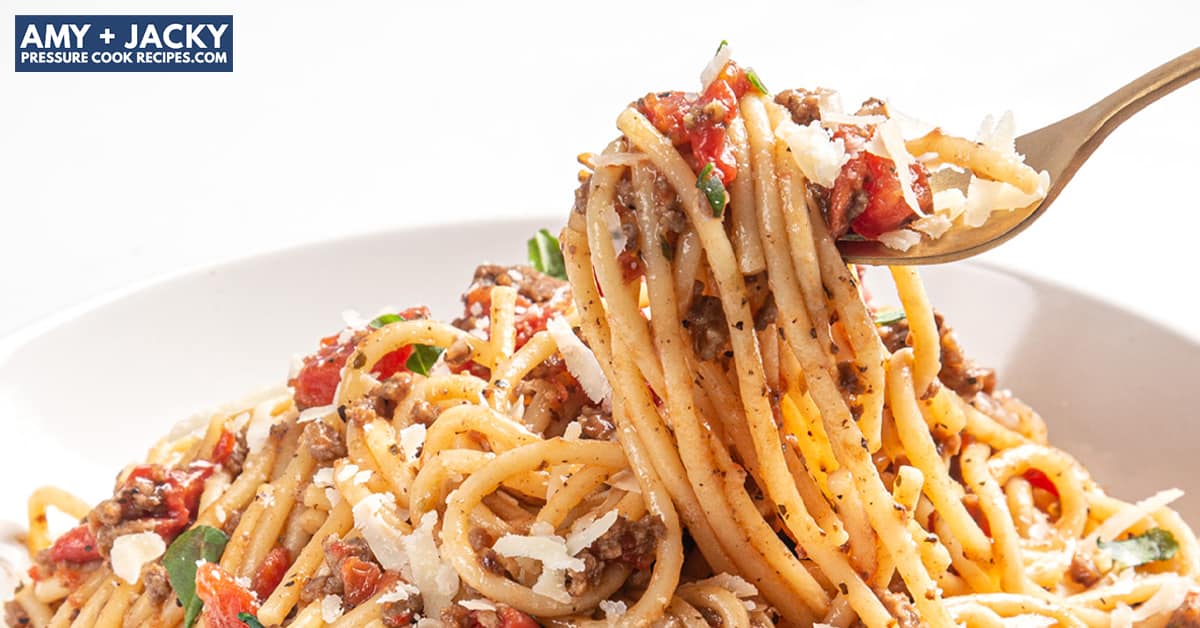
Master Instant Pot Spaghetti: Say Goodbye to Burn Notices and Mushy Pasta
The Instant Pot has revolutionized weeknight dinners, promising speed and convenience for beloved dishes like spaghetti. Yet, for many home cooks, the dream of perfectly cooked pasta in a rich sauce can quickly turn into a nightmare of "Burn" notices or a pot full of mushy, clumpy noodles. Fear not! Achieving flawless fail-proof Instant Pot spaghetti is entirely within reach. With a few crucial techniques and a dash of precision, you can consistently create a family-favorite meal that's both delicious and stress-free. This comprehensive guide will walk you through every step, ensuring your Instant Pot spaghetti is always al dente and your pot stays burn-notice-free.Building a Flavorful Foundation: Sautéing and Deglazing
The journey to perfect Instant Pot spaghetti often begins with a deep, savory base. If you're incorporating ground meat (beef, turkey, chicken, or sausage), the sauté function of your Instant Pot is your best friend. This initial step isn't just about cooking the meat; it's about building layers of flavor that will permeate your entire dish.Step-by-Step Sautéing & Deglazing:
- Activate Sauté: Press the "Sauté" button on your Instant Pot. Add a tablespoon of oil (olive oil or your preferred cooking oil) to the inner pot and allow it to heat for a minute or two.
- Brown Your Meat: Add your ground meat and any aromatics like diced onion. Break up the meat with a wooden spoon or silicone spatula as it cooks. Browning the meat creates a rich depth of flavor through the Maillard reaction – that lovely caramelization that makes food taste so good.
- Toast Garlic: Once the meat is nearly cooked through, add minced garlic. Sauté for just 30-60 seconds until fragrant. Garlic burns quickly, so keep a close eye on it!
- Crucial Deglazing: This is arguably the most critical step for preventing the dreaded "Burn" notice. After removing the cooked meat and draining any excess grease (if necessary), you'll likely see browned bits stuck to the bottom of the inner pot. Hit "Cancel" to turn off the Sauté function. Pour in a small amount of liquid – ideally, some of your planned broth or water – and use your spoon or spatula to vigorously scrape up *all* those browned bits. These stuck-on particles are often the culprits behind a "Burn" warning. Ensuring a clean bottom of the pot before pressure cooking is paramount.
Meatless Option: If you're making Instant Pot spaghetti without ground meat, you can skip this sautéing step entirely. However, if you're including aromatics like onions and garlic, you'd still sauté them briefly and then perform a quick deglaze to ensure no sticking occurs.
The Art of Layering: Your Burn Notice Shield and Al Dente Assurance
Once your base is prepared, the way you layer the remaining ingredients into the Instant Pot is absolutely fundamental to success. This isn't just about aesthetics; it's a carefully orchestrated process designed to prevent noodles from clumping, ensure even cooking, and, most importantly, ward off the "Burn" notice. Do not be tempted to deviate from this order!Precision Layering for Perfect Instant Pot Spaghetti:
- Break the Spaghetti: First, you *must* break your spaghetti noodles in half. This isn't about tradition; it's about practical necessity for the noodles to fit and cook properly within the Instant Pot. Rest assured, it will not impact the flavor or enjoyment of your final dish.
- Crisscross the Noodles: This is a game-changer for preventing stickiness. Carefully layer the broken spaghetti noodles into the inner pot in an alternating, crisscross pattern. Imagine laying one layer in one direction, then the next layer perpendicular to it, and so on. This strategic arrangement ensures that individual strands have space and aren't packed too tightly, allowing for even hydration and preventing them from sticking together into a solid block.
- Add Liquid: Pour the majority of your remaining broth (or water) over the noodles. It's okay if the noodles aren't fully submerged at this point; they will hydrate as they cook under pressure.
- Distribute Cooked Meat: If you sautéed meat, gently spoon the cooked and degreased meat over the layered noodles. This acts as a barrier between the noodles and the thick sauce, which is crucial.
- The Golden Rule: Top with Sauce, DO NOT STIR! This is perhaps the most important instruction. Carefully pour your spaghetti sauce (marinara, meat sauce, etc.) over the meat and noodles. Resist every urge to stir the ingredients. The thick spaghetti sauce sitting at the bottom of the pot is a primary cause of the "Burn" notice because it scorches easily against the heating element. By keeping it on top, away from the bottom, you significantly reduce this risk.
Noodle Type Matters: This specific timing and method are optimized for regular spaghetti noodles. Avoid using delicate angel hair pasta, which will quickly turn to mush, or thicker noodles like linguine, which may require slightly adjusted cook times or more liquid.
Precision Pressure Cooking: The Al Dente Formula
You've meticulously prepared and layered your ingredients. Now, it's time for the Instant Pot to work its magic. But even here, precision is key. The exact timing of both pressure cooking and natural pressure release is what separates perfectly al dente Instant Pot spaghetti from an overcooked, gummy mess.The Magic Numbers:
- High Pressure Cook: Set your Instant Pot to cook on High Pressure for 5 minutes.
- Natural Pressure Release (NPR): Once the cooking cycle is complete, allow for an EXACTLY 5-minute Natural Pressure Release (NPR).
Why 5 Minutes NPR is Critical: The natural pressure release allows the Instant Pot to slowly depressurize, and more importantly, it permits the residual heat within the pot to continue cooking the pasta gently. This "carryover cooking" is essential for achieving that ideal al dente texture. If you quick release immediately, your pasta may be slightly undercooked. If you let it go for too long, the pasta will continue to absorb liquid and cook, resulting in a mushy texture. Setting a timer for those 5 minutes of NPR is highly recommended.
After the 5 minutes of NPR, carefully perform a Quick Release (QR) for any remaining pressure. Once the pin drops, you can safely open the lid. Stir your spaghetti gently to combine the sauce and noodles. You'll be amazed at how easily the strands separate, revealing a harmonious, flavorful dish. This fail-proof formula ensures your quick & easy Instant Pot spaghetti comes together in under 30 minutes, making it a perfect kid-friendly meal.
Troubleshooting & Customization: Elevating Your Instant Pot Spaghetti
While the steps above are designed to prevent issues, understanding common pitfalls and how to customize your dish will make you a true Instant Pot spaghetti master.What if I get a Burn Notice?
Even with careful deglazing and layering, a "Burn" notice can occasionally pop up. If it does, don't panic:
- Immediately hit "Cancel" on your Instant Pot.
- Carefully do a Quick Release (QR) to depressurize the pot.
- Once safe to open, remove the lid and gently check the bottom of the pot. If there are scorched bits, carefully remove the top layers of food, scrape the burnt residue, add a splash of water or broth, and then return the food.
- Often, a minor "Burn" notice can be resolved by simply adding a little more liquid and ensuring all bits are scraped up, then attempting to pressure cook again. However, if the burn is severe, it's sometimes best to transfer the food to a regular pot to finish cooking to avoid tainting the flavor.
Customizing Your Instant Pot Spaghetti:
- Add More Veggies: Sauté finely diced carrots, bell peppers, or mushrooms along with your onions and meat for added nutrition and flavor. You can also stir in fresh spinach or other quick-cooking greens at the very end.
- Cheese Please! Stir in grated Parmesan, mozzarella, or a blend of Italian cheeses immediately after opening the pot for a creamy, cheesy finish. The residual heat will melt it beautifully.
- Spice it Up: Experiment with red pepper flakes, Italian seasoning, or a bay leaf added with the sauce for extra aromatic complexity.
- Herbaceous Finish: Fresh basil or parsley stirred in just before serving adds a vibrant, fresh note.
- Different Sauces: While marinara is classic, feel free to try different types of jarred pasta sauce. Just be mindful of their thickness; very thick sauces might need a tiny splash more liquid, and very thin sauces might need slightly less.
